The Challenges of Wastewater Monitoring
Effective wastewater management is more critical than ever, with increasing regulatory pressure and public scrutiny. Utilities must navigate complex challenges under AMP8, from outdated infrastructure to strict compliance requirements.
| |
Negative Publicity & Environmental Concerns | Wastewater management faces intense scrutiny due to media reports on sewage discharge into the sea. Aging infrastructure remains undetected and unaddressed, leading to inefficiencies and failures.
|
| Stricter regulations, such as Section 82 of the Environmental Act 2021, currently requires DO (Dissolved Oxygen), Turbidity, Ammonia and pH and Temperature. In the future more in depth analysis into water quality will likely require real time COD and Nitrate monitoring. Failure to comply can result in fines, negative press, and environmental harm.
|
Storm Overflow Challenges | |
Sensor Maintenance Issues | |
The Solution for Wastewater Monitoring
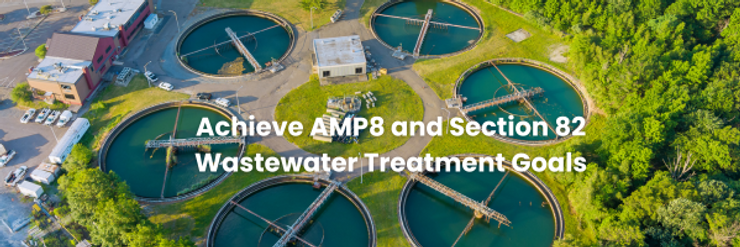
To address these challenges, wastewater infrastructure upgrades under AMP8 budgets are essential.
However, before investing in high-cost solutions, real-time monitoring helps identify failing assets and optimize performance.
| |
| |
| |
| Monitoring turbidity, ammonia, pH, temperature, DO (Dissolved Oxygen), and COD (Chemical Oxygen Demand) ensures discharge remains within regulatory limits.
|
Storm Overflow Monitoring | |
| |
UV and optical probes deliver continuous, real-time water quality data at every stage of the wastewater cycle. Strategically placed at final effluent discharge points, they track pollutants upstream and downstream to ensure compliance.
By integrating advanced wastewater monitoring solutions, we help utilities make smarter investment decisions, maintain compliance, and protect the environment.